


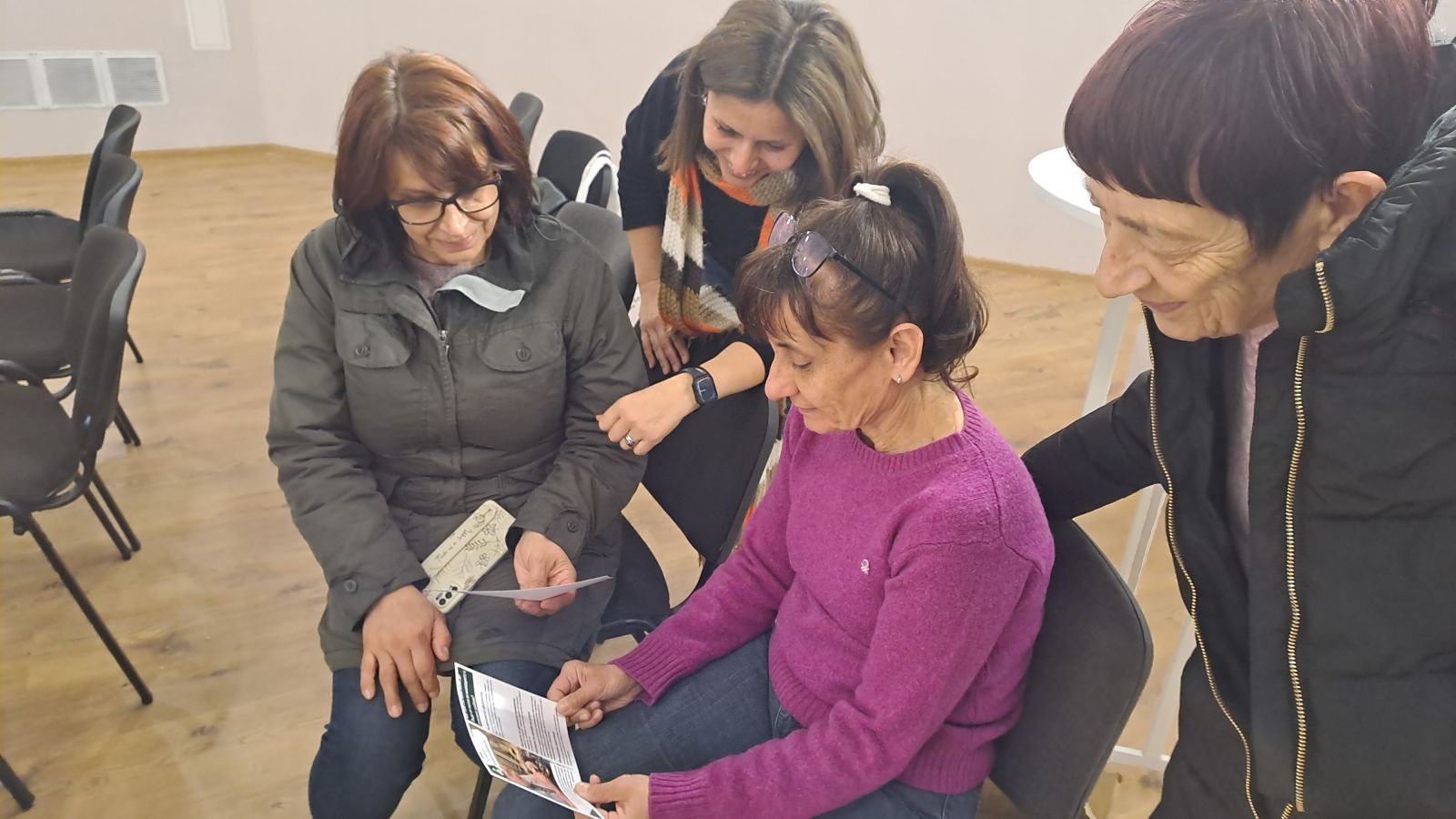
 In the beginning of February, a meeting of the members of the Devetaki Plateau Association was held in Lovech in order to propose for the introduction of technology for remote health services in the villages of the Devetaki Plateau. In a meeting held in May 2024 members decided to search for modern technological solutions to improve access to health services in the villages of the Devetaki Plateau, which will be implemented as an activity under the international Smart Era project, in which the association participates as a pilot region.
In this regard, representatives of HUBIS Telemedicine made a short presentation on technology that allows for individual screening, measuring 12 health indicators. After discussion by the participants in the meeting, the company's representatives provided an opportunity for a demonstration of the screening technology, in which a large part of those present participated. It was clarified that this is only one of the possible solutions, the association and the municipality of Sevlievo, which are partners in the Smart Era project, will explore other options.
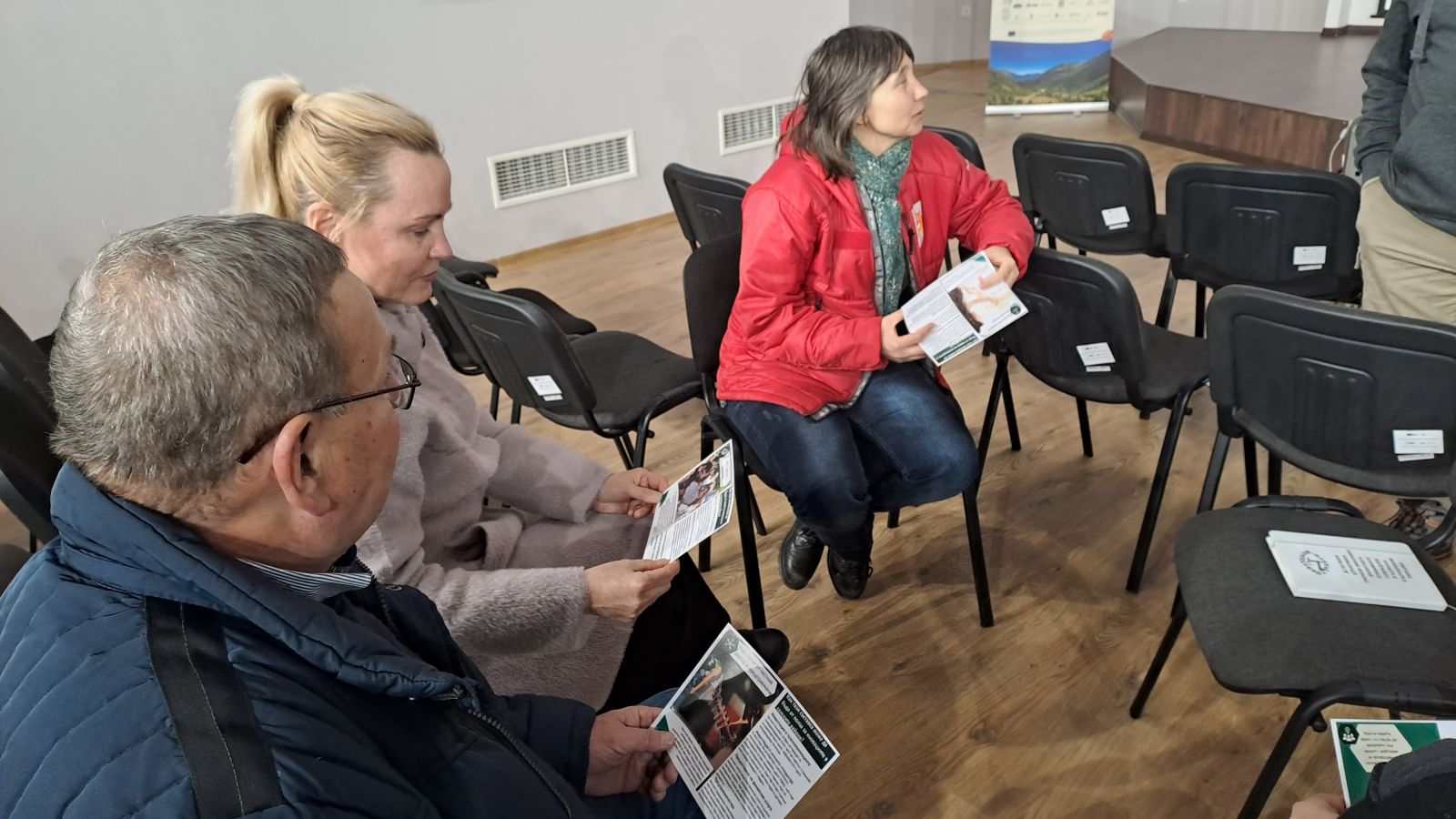
The participants worked on the methodology of digital co-design toolkit discussed which stakeholders should be included i
n the discussion and decision on the innovative package of services to be introduced in the villages.
The results of this discussion are presented below.
Medical specialists are directly and indirectly involved in the provision of health services and care. Often, they do not reside in the rural area and therefore it is important that their access is facilitated. This can only be done with their participation and coordination in the planning process of the innovative package. General practitioners and paramedics, through whom all residents of the rural area regularly visit – if necessary, for prevention, and sometimes – for advice or sharing – and who only have certain days and hours for visits. Pediatricians are important in motivating young people to live in rural areas by facilitating access to healthcare for young families. Other medical specialists, laboratory assistants, physiotherapists are common among the target groups. Through statistics and database analysis, those who are key for a particular rural area can be identified.
By engaging a variety of stakeholders - from public authorities to residents - we will ensure that all perspectives are taken into account and communities are better equipped to implement meaningful and lasting change.
Local communities can actively participate in decision-making by identifying their needs and priorities. A participatory approach ensures that development efforts are relevant and tailored to the community context.
NGOs and civil society organizations can mobilize resources, provide expertise and facilitate collaboration with stakeholders. These organizations often focus on social issues and advocate for marginalized groups, ensuring that innovation in rural areas is inclusive and equitable.
Civil organizations can offer training and capacity-building programs that enable local communities to acquire the skills and knowledge needed for innovation. This includes workshops on sustainable agricultural practices, entrepreneurship, and technology skills that enable community members to effectively implement innovative solutions.
By disseminating research findings, best practices, and innovative approaches through publications, workshops, and training programs, academic institutions empower local actors to implement effective rural development strategies.
Digital technology experts - introduce and implement digital solutions, such as precision agriculture, e-commerce platforms, or connectivity improvements.
Service design experts - can create sustainable and cost-effective models that address resource constraints and improve service delivery, including developing digital platforms and improving access to essential services such as health and education.
Health data platforms - They offer structured ways to discover, harmonize, synchronize, and integrate data from multiple sources and add new information. They are essential for interoperability and standardization of data exchange.
Ensuring standardization - By using intelligent data models, platforms can ensure consistency and compatibility between data sets, allowing for seamless integration and cross-referencing for deeper insights.
At the end of the meeting, it was decided to organize additional demonstrations in some of the villages so that more potential users can get acquainted with and evaluate the service. It is also desirable to hold additional meetings with medical specialists, digital experts and legal advisors.